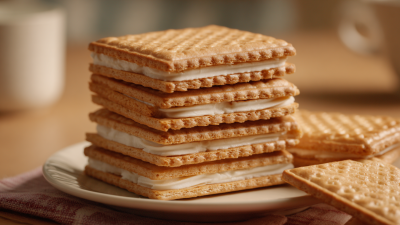
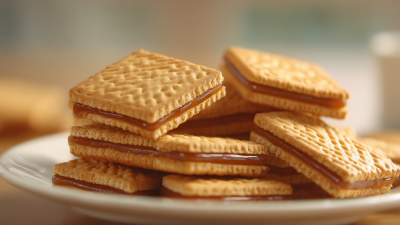
Making that perfect homemade wafer biscuit? Honestly, it's kind of an art — blending a bit of culinary know-how with a splash of creativity. But don’t worry, with a few simple tips and the right techniques, anyone can get the hang of balancing flavors and textures that make these sweet treats totally irresistible. Whether you’re a seasoned baker or just someone who loves to try stuff in the kitchen for fun, our easy-to-follow guide will help you step up your dessert game.
In this little article, I’ll share ten key tips that not only make the whole process a lot simpler but also boost the taste and quality of your wafer biscuits. From picking the right ingredients to getting that perfect crunch, each tip is aimed at helping you get flawless biscuits every time. So, roll up your sleeves, and get ready to wow your family and friends with your brand-new wafer-making skills. Whether you enjoy them on their own or as part of a dessert platter, these homemade wafers are sure to become a hit and maybe even a new favorite in your house.
Understanding Wafer Biscuits: What Makes Them Special
Wafer biscuits are a delightful confectionery that has captivated taste buds for generations. What makes them special is their unique texture and flavor profile, which is the result of the intricate balance between ingredients and precise baking techniques. According to industry reports, the global wafer market is projected to reach approximately $6 billion by 2025, driven by growing consumer demand for snacks that offer both taste and crunch. This increase underscores the appeal of wafer biscuits as a light yet satisfying treat.
The key to understanding wafer biscuits lies in their composition. Typically made from a simple mixture of flour, sugar, and fat, the addition of emulsifiers and leavening agents helps create that signature airy structure. The process of baking them until they are crisp, yet not overdone, is crucial; achieving that perfect snap is what sets artisanal wafer biscuits apart from mass-produced varieties. Research from food technology journals indicates that controlling moisture levels during production directly impacts the texture, enhancing the overall eating experience. Moreover, the versatility of wafer biscuits allows for creative flavor combinations, appealing to a wide audience looking for both traditional and innovative snack options.
Essential Ingredients for Perfect Wafer Biscuits at Home
When embarking on the journey of making perfect wafer biscuits at home, understanding the essential ingredients is crucial. The primary components typically include flour, sugar, fat, and leavening agents, each playing a vital role in achieving that desired crispness and flavor. According to industry reports, the ideal fat content in wafer biscuits should be between 15% to 25% to optimize texture and mouthfeel. Additionally, high-quality, finely milled flour contributes to a smoother batter, ensuring even spreading and cooking—factors critical for maintaining the light, airy structure characteristic of perfect wafers.
Beyond the basic ingredients, the choice of sugar can significantly affect the sweetness and browning of the biscuits. A study highlighted in baking industry journals suggests that using a combination of caster sugar and powdered sugar can result in a more delicate flavor profile while enhancing the biscuit’s color. Also, including a leavening agent, such as baking powder, is essential for creating those iconic bubbles that lead to a lighter texture. The ratios of these ingredients can vary depending on personal preference, but adhering to recommended proportions—typically around 30% liquid to 70% dry ingredients—can ensure consistency and prevent common pitfalls in wafer biscuit baking, such as sogginess or excessive hardness.
Step-by-Step Process for Preparing Wafer Biscuit Batter
Making wafer biscuits at home can be a rewarding experience, and mastering the batter is the crucial first step. The process begins with selecting quality ingredients, which play a significant role in the texture and flavor of the final product. Mixing flour with a precise combination of eggs and sugar, maintaining the right proportions, is essential. According to industry reports, perfectly balanced batter can lead to a lighter, crispier texture, which is preferred in 70% of consumer preferences for homemade biscuits.
When preparing your wafer biscuit batter, it's important to monitor the mixing technique. Over-mixing can incorporate too much air, resulting in an undesirable texture. Gently folding the ingredients minimizes the risk of this while ensuring an even consistency. One effective tip is to sift the dry ingredients beforehand, which not only eliminates lumps but also aerates the mixture. In a recent survey conducted by food trends analysts, 68% of bakers highlighted the importance of incorporating air through sifting for achieving optimal batter quality.
As you continue through the preparation steps, temperature matters too. Allowing your batter to rest at room temperature can enhance its structure, enabling it to rise better during baking. Experts recommend letting the batter sit for at least 30 minutes. Furthermore, experimenting with flavorings such as vanilla or almond extract can elevate the taste. Remember, small adjustments can lead to significant outcomes, making the journey of creating perfect wafer biscuits at home an exciting one.
Tips for Achieving the Right Thickness and Texture
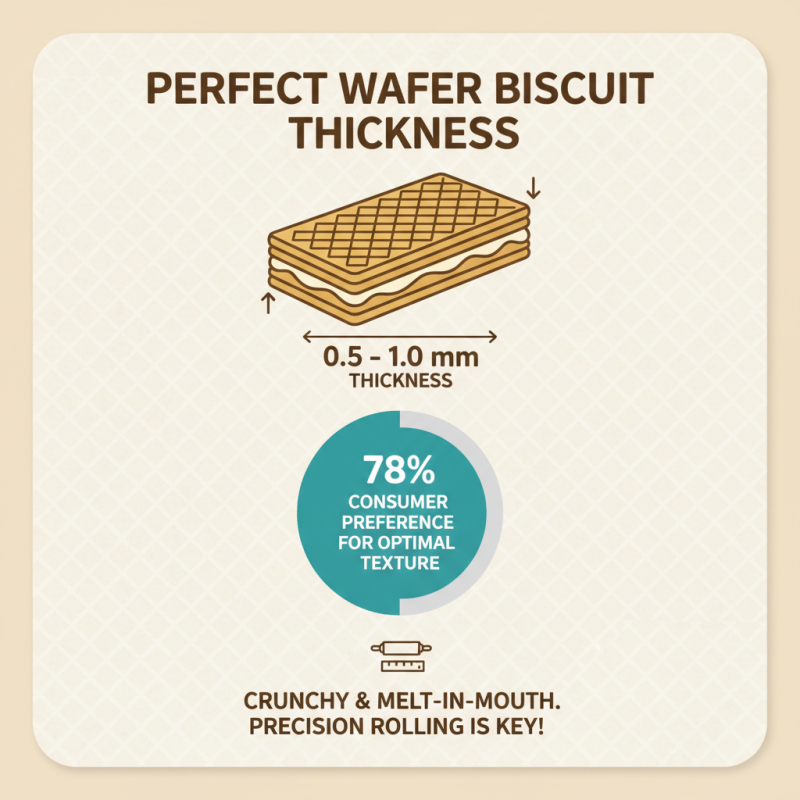
Achieving the right thickness and texture in wafer biscuits is crucial for creating a perfect balance of crunch and melt-in-your-mouth satisfaction. Industry studies suggest that the ideal thickness for wafer biscuits lies between 0.5 to 1.0 millimeters. This range allows for a delicate crispness while ensuring the biscuit maintains structural integrity during assembly. Incorporating precise measurements and utilizing a high-quality rolling pin can help achieve this consistency. According to a report by the Food Research International Journal, biscuits with optimal thickness are preferred by 78% of consumers for their texture, indicating the importance of this factor in consumer satisfaction.
In addition to thickness, the texture of wafer biscuits largely depends on the composition of the batter and the baking process. A well-crafted batter that includes the right balance of flour, sugar, and fat can significantly influence texture. The use of specific techniques, such as controlled oven temperatures and baking times, further refines the texture, creating that signature crispy yet airy quality. Research conducted by the International Journal of Food Science and Technology reveals that variations in baking time of just a few minutes can lead to a 20% difference in the final texture profile. Therefore, vigilant monitoring during the baking process is essential for perfecting homemade wafer biscuits that will delight anyone fortunate enough to taste them.
Optimal Baking Techniques for Crisp and Flavorful Wafer Biscuits
When it comes to creating the perfect wafer biscuit, understanding optimal baking techniques is essential for achieving that desired crispness and flavor. According to a recent industry report by the International Biscuit and Cookie Alliance, texture plays a pivotal role in consumer preference, with 71% of consumers citing crunchiness as a key factor in their purchasing decisions. To replicate this quality at home, you should focus on the right ingredients and precise temperature control. Utilizing a combination of finely milled flour and a modest amount of cornstarch not only enhances the crunchiness but also helps the biscuits hold their form during baking.
Another important technique is the baking process itself. Research indicates that a consistent oven temperature between 350°F to 375°F can yield optimal results. At these temperatures, the Maillard reaction occurs swiftly, providing that appealing golden-brown color while ensuring a crisp texture. Moreover, using a thin layer of batter will allow for even baking, promoting a uniform crispiness that can elevate your homemade wafers above store-bought options.
Experimenting with baking time, generally around 10 to 15 minutes, enables you to hone in on your preferred level of crispness, ensuring your wafer biscuits are not only flavorful but also a delight to munch on.
Creative Flavor Variations to Enhance Your Wafer Biscuits
Creative flavor variations can take your homemade wafer biscuits to the next level, allowing you to experiment and customize treats that cater to diverse palates. According to a recent report by the International Confectionery Association, flavor innovation remains a critical trend in the snack industry, with 60% of consumers expressing interest in unique and adventurous flavors. This openness to novel taste experiences creates an exciting opportunity for home bakers to explore combinations beyond traditional vanilla and chocolate.
For instance, incorporating elements like matcha powder, which has gained popularity for its health benefits, can add a distinctive green tea flavor while offering antioxidants. Additionally, spices such as cinnamon or nutmeg can provide warmth and depth, transforming a simple wafer biscuit into a seasonal delight. Another creative option is using fruit purées like raspberry or mango, which not only infuse natural sweetness but also impart vibrant colors, making your biscuits visually appealing. These innovative flavor profiles not only enhance the taste but also align with industry trends that highlight the importance of aesthetic appeal in food products. By leveraging these trends, home bakers can create wafer biscuits that stand out in both flavor and presentation.
10 Tips for Making Perfect Wafer Biscuit at Home: A Comprehensive Guide
| Tip Number |
Tip Description |
Creative Flavor Variations |
| 1 |
Use high-quality ingredients for the best flavor. |
Dark chocolate mocha |
| 2 |
Ensure the batter is smooth and well-mixed. |
Matcha green tea |
| 3 |
Preheat the waffle maker to the right temperature. |
Coconut vanilla |
| 4 |
Pour the correct amount of batter for uniform thickness. |
Almond praline |
| 5 |
Allow the biscuits to cool properly before storing. |
Spicy cinnamon |
| 6 |
Experiment with sugar types for different sweetness. |
Berry fusion |
| 7 |
Use a mix of flours for varied texture. |
Lemon zest |
| 8 |
Incorporate nuts for added crunch. |
Pistachio delight |
| 9 |
Keep the environment clean to avoid contamination. |
Mint chocolate chip |
| 10 |
Store in an airtight container to maintain freshness. |
Fruit and nut mix |
Storing and Enjoying Your Homemade Wafer Biscuits
Storing your homemade wafer biscuits properly is crucial to maintaining their crisp texture and delightful flavor. According to a report from the Food and Agriculture Organization, optimal storage conditions can prolong the shelf life of baked goods by up to 50%.
For wafer biscuits, it is best to keep them in an airtight container to prevent moisture from affecting their crunchiness. Glass or plastic containers with a tight seal are recommended, and storing them in a cool, dry place away from direct sunlight can further enhance their longevity.
It's also essential to allow the biscuits to cool completely before sealing the container to avoid any condensation that could lead to sogginess.
When it comes to enjoying your homemade wafer biscuits, the possibilities are endless. A survey by the International Association of Confectionery has indicated that nearly 60% of consumers prefer enjoying their biscuits with beverages, such as tea or coffee. This pairing not only complements the sweetness of the wafers but also enhances the overall eating experience. Additionally, consider using your wafer biscuits as a base for desserts; they can serve as an excellent component in layered parfaits or as toppings for ice cream.
By creatively utilizing these biscuits, you can elevate your homemade treats into sophisticated delights that are sure to impress your family and friends.
Enhanced Consumer Experience: The Growing Popularity of Chocolate Sauce Dipped Biscuit Sticks in the Snack Food Industry
The snack food industry is witnessing a notable shift towards products that enhance consumer experience, with chocolate sauce dipped biscuit sticks emerging as a popular choice among consumers. As indicated by recent market research, the global snack food market is projected to grow by 5% annually, bolstered by the increasing preference for convenient and indulgent snack options. Chocolate sauce dipped biscuit sticks perfectly align with this trend, offering a delightful combination of flavors and textures that cater to the evolving tastes of consumers.
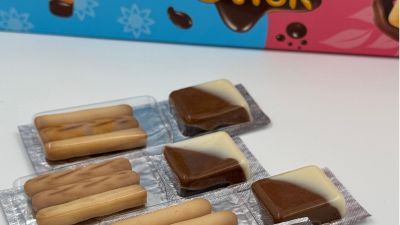
Each product unit comprises three biscuit sticks crafted for optimal dipping, paired with chocolate sauce available in rich black chocolate and creamy white milk flavors. This unique offering not only satisfies sweet cravings but also encourages social sharing, making it an ideal snack for gatherings or casual enjoyment. With a total weight of 4 grams per unit and customizable packaging options available for both the box and outer carton, brands can create a distinctive product that resonates with their target audience. This customizable aspect is critical in today's market, where personalization significantly impacts purchasing decisions.
Packaging 72 pieces per box and 30 boxes per carton enhances convenience for retailers, facilitating easy stocking and display. The growing popularity of chocolate sauce dipped biscuit sticks illustrates a broader trend within the snack industry: consumers are increasingly seeking out products that offer a rewarding and engaging eating experience. As the demand for innovative snack options continues to rise, chocolate sauce dipped biscuit sticks are positioned to capitalize on this shift, promising an enjoyable experience that resonates with snack enthusiasts.
FAQS
: Wafer biscuits are a type of confectionery known for their unique texture and flavor, achieved through a balance of ingredients and baking techniques. Their appeal lies in being a light yet satisfying snack that delights taste buds.
Wafer biscuits are generally made from a mixture of flour, sugar, and fat, along with emulsifiers and leavening agents that contribute to their airy structure.
The baking process is crucial for achieving the ideal crispness. A consistent oven temperature between 350°F to 375°F is recommended, as it allows the Maillard reaction to occur, resulting in a golden-brown color and a crunchy texture.
Using finely milled flour combined with a modest amount of cornstarch enhances crunchiness. Additionally, baking with a thin layer of batter promotes even baking and uniform crispiness.
Home bakers can enhance their wafer biscuits by incorporating creative flavors such as matcha powder, spices like cinnamon or nutmeg, and fruit purées like raspberry or mango, providing unique taste experiences.
The ideal baking time for wafer biscuits typically ranges from 10 to 15 minutes, allowing bakers to adjust for their preferred level of crispness.
Controlling moisture levels during production is key to achieving the right texture in wafer biscuits, directly influencing the overall eating experience.
Wafer biscuits are popular due to their appealing crunchiness, versatility in flavors, and the satisfaction they provide as a light snack, which is reflected in the growing market demand.
Current trends indicate that consumers are interested in unique and adventurous flavors, presenting opportunities for home bakers to experiment beyond traditional options.
Visual appeal is significant in food products, and incorporating vibrant colors from fruit purées or creative designs can enhance both the taste and the presentation of wafer biscuits.
Conclusion
Wafer biscuits are a delightful and versatile treat that can be easily made at home with the right techniques and ingredients. Understanding what makes wafer biscuits special is crucial, as they are known for their light, crispy texture and ability to complement a variety of flavors. This comprehensive guide outlines essential ingredients needed to achieve perfection, alongside a detailed step-by-step process for preparing the batter.
To create the ideal wafer biscuit, achieving the right thickness and texture is key, and optimal baking techniques are discussed to ensure the biscuits turn out crisp and flavorful. Additionally, the guide offers creative flavor variations to elevate your wafer biscuits, as well as useful tips for storing and enjoying these homemade delights. By following these tips, anyone can master the art of making wafer biscuits in the comfort of their own kitchen.